Before You Sign at the Shore: The Fine Print Every Waterfront Buyer Should Know

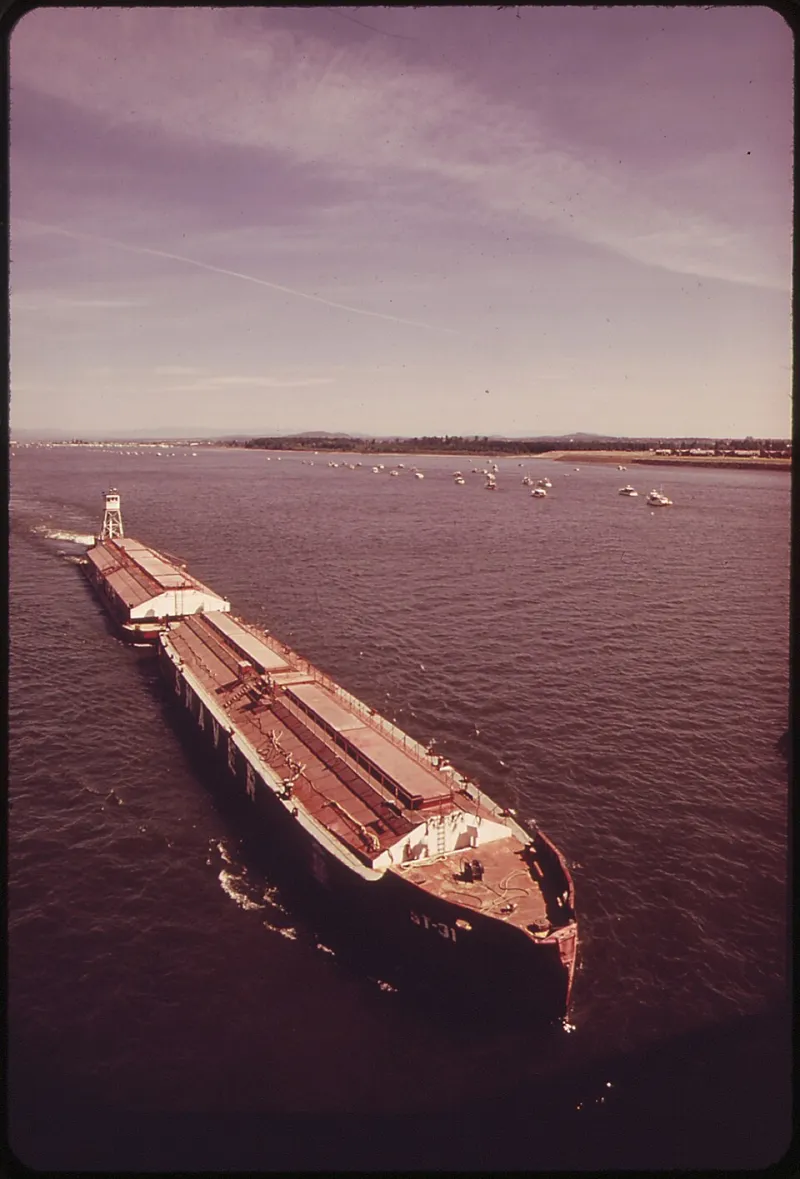
Photo: Collins, Tudor Washington, 1898-1970, photographer, CC BY 4.0, via Wikimedia Commons
There's a moment in every waterfront home search when the checklist stops being about granite counters and start being about acronyms. FEMA. BFE. LOMA. Riparian rights. If you're eyeing a home on the harbor, that moment comes fast — and the buyers who slow down for it are the ones who end up happy.
We talked with coastal real estate attorneys and long-time harbor agents to put together the explainer we wish every buyer read before making an offer. Consider this your pre-docking inspection.
Start With the Map: Understanding FEMA Flood Zones
Every coastal property in the country sits inside (or outside) a FEMA-designated flood zone, and that single letter on a map shapes your mortgage, your insurance premium, and eventually your resale story.
The zones most buyers encounter:
- Zone V (Velocity): The most exposed coastal areas, where wave action is expected during storm surge. Highest premiums, strictest building codes.
- Zone AE: High-risk areas along waterways and coastlines with established Base Flood Elevations (BFEs). Most harbor-adjacent homes land here.
- Zone X: Moderate-to-low risk. Flood insurance is optional — but "optional" is doing a lot of work in that sentence, since roughly a quarter of flood claims come from properties outside high-risk zones.
Here's the catch: maps get redrawn. A home mapped in Zone X today can land in Zone AE after the next FEMA revision, which can add thousands per year in premiums and trigger lender requirements mid-ownership. Attorneys recommend asking whether the community participates in FEMA's National Flood Insurance Program (NFIP) and checking the community's CRS rating — a good rating can shave up to 30% off premiums.
The Insurance Math Nobody Mentions at the Open House
"Buyers see the mortgage payment and think they've got the number," says one Gulf Coast real estate attorney we spoke with. "Then the flood quote arrives and it's $4,000 a year. On a $700,000 loan, that changes the picture."
A few things that move the needle:
- Elevation matters more than proximity. A house on pilings three blocks from the water can insure cheaper than a slab-on-grade home on the harbor's edge.
- Grandfathering is real but fragile. If a home was built to older code, premiums may be subsidized — until substantial improvements (often 50% of market value) force a full re-rating.
- Private flood insurance is a genuine alternative. In many markets, private carriers now undercut NFIP rates, sometimes dramatically. Get both quotes.
Budget for wind and hail separately in most coastal states, too. Homeowners policies in hurricane-exposed areas frequently carry separate wind deductibles — often 2–5% of insured value, not a flat dollar amount.
Riparian Rights: Who Owns the Water's Edge?
Riparian rights — the legal rights of a property to access and use adjacent water — vary more than almost anything else in coastal real estate. In some states, waterfront deeds run to the mean high tide line. In others, the state owns the tidelands outright, and your "waterfront" lot may end at a seawall the public can walk past.
The practical questions to ask:
- Do I have the legal right to build or maintain a dock, pier, or mooring?
- Is that right deeded, or granted by permit that can be revoked or lapse?
- Can the water access be blocked by future development, sediment, or low tide?
"I've seen buyers pay a waterfront premium for a lot where the access was a ten-foot easement across a neighbor's yard," one attorney told us. "The listing photo doesn't show that. The deed does."
Dock Easements, Community Docks, and the Fine Print in Between
Most harbor homes today don't come with a private dock deeded to the lot. Instead, you're dealing with one of three arrangements:
- Deeded dock easement: The strongest form — a recorded right to a specific slip or pier footprint, running with the land. Verify it in the title search, not the marketing brochure.
- HOA or community marina rights: Common in planned coastal developments. Ask who controls slip assignments, whether fees are capped, and what happens if the association decides to redevelop the marina.
- Permit-based private docks: In many states, docks over state-owned submerged lands require permits from environmental agencies. These can be transferable, but confirm the permit is current and in good standing before closing.
Also worth confirming: navigational servitudes. Some waterfront deeds include rights reserved for the public or the Corps of Engineers that limit what you can build near the waterline. A title company experienced in coastal transactions is worth every penny here.
A State-by-State Snapshot
Waterfront law is deeply local, but this quick comparison gives you a starting point:
| State | Who Owns the Shoreline | Dock Permitting | Buyer Watch-Out |
|---|---|---|---|
| Maine | Private to mean low water (mostly) | State DEP + local | Tidal access disputes with neighbors |
| Massachusetts | Mixed; public rights below low water | Local conservation commission | Chapter 91 licenses for older docks |
| Florida | State owns submerged lands; uplands private | State DEP + USACE | Manatee and seagrass restrictions |
| Texas | Beaches are public up to vegetation line | General land office | Open beaches act limits structures |
| Washington | State owns tidelands in many areas | State DNR lease required | Lease terms expire — verify renewal |
| North Carolina | State owns to mean high water | CAMA permit required | Setback rules can block rebuilds |
| California | Public trust below mean high tide | Coastal Commission review | Coastal permits transfer slowly at sale |
Your Pre-Offer Checklist
Before you fall in love with a harbor view, run through this list:
- Pull the FEMA map panel and confirm the zone and BFE
- Get real flood and wind insurance quotes, not estimates
- Order a title review that specifically addresses riparian and littoral rights
- Verify any dock, slip, or mooring rights in writing — recorded, not promised
- Ask about the community's CRS rating and any planned map revisions
- Check local rebuild rules: if the house burns or floods, can you build back the same footprint?
The Bottom Line
Waterfront ownership rewards the prepared. The buyers who thrive at the harbor's edge are the ones who read the deed as carefully as they admire the sunset — and who know that the finest view in town is worthless without the legal right to walk down to it.
Hire a coastal-experienced attorney, get the insurance quote before the offer, and treat every "it comes with a dock" claim as a research project. The water will still be there when the paperwork is done. That's the whole point.