Pull, Steam, Eat: The New Waterfront Owner's Guide to Sourcing Dinner Off the Dock

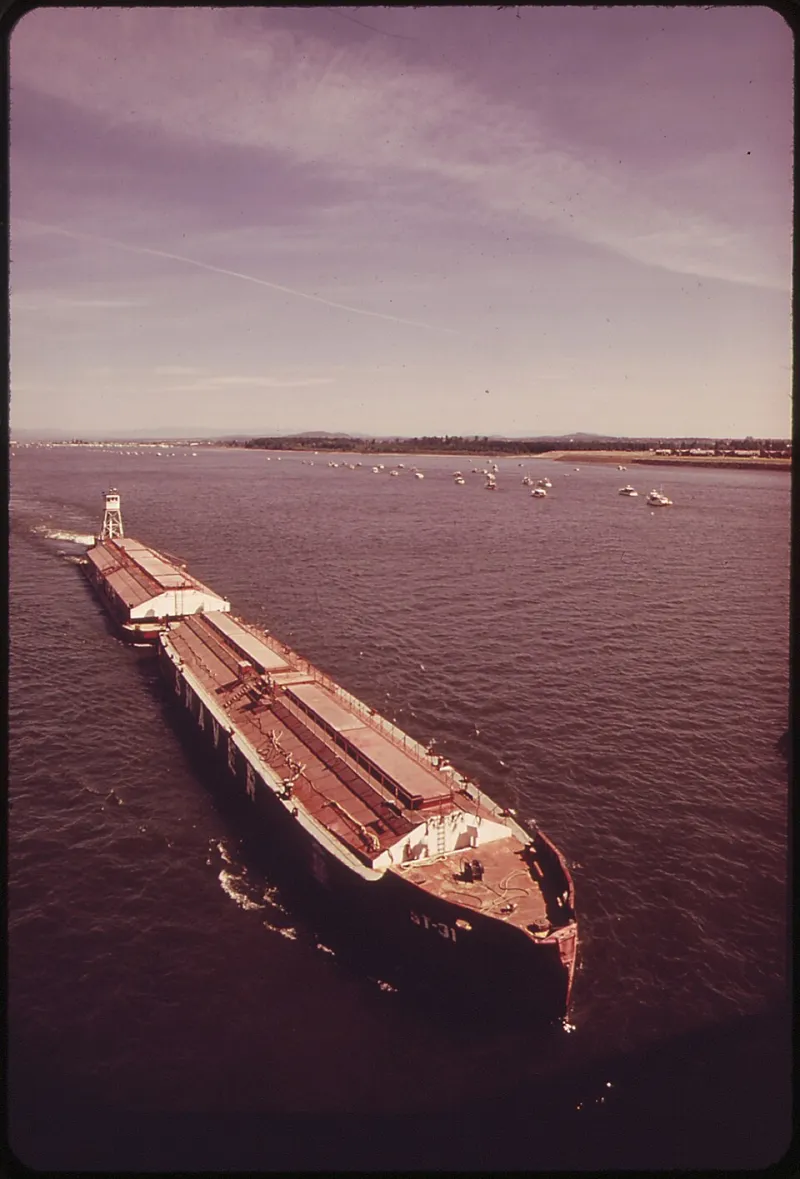
Photo: Robodoc (original uploader), Public domain, via Wikimedia Commons
Somewhere around week three of living on the water, it happens. You notice your neighbor ambling down the dock at 7 a.m., hauling up a crab pot from the end of the pier like it's the most normal thing in the world. Because where you just moved, it is.
One of the least advertised — and most beloved — perks of harbor living is that the ocean becomes your pantry. You don't need a boat, a fishing license in every case, or a lifetime of know-how. You need a pot, some bait, and a willingness to learn from the people already doing it. Here's your starter guide.
Start With What You Can Legally Pull
Rules vary by state, but most coastal states allow recreational shellfish and crab harvesting from private docks with a simple license. A few essentials:
- Chesapeake Bay (Maryland/Virginia): Recreational crabbing with hand lines and traps is a rite of passage. Check season limits — typically late spring through fall — and size rules for keepers.
- Pacific Northwest (Washington/Oregon): Dungeness crab pots are a dock staple. Washington requires a shellfish/Seaweed license and has strict gear rules; seasons generally run winter through early fall.
- Gulf Coast (Louisiana/Florida): Blue crabs are abundant and forgiving for beginners. Florida requires a license for harvesting from shore or dock.
- New England: Recreational lobster permits exist in some Massachusetts and Maine towns, though rules are tighter — many newcomers stick to clams and mussels, which are often free to harvest with a local permit.
Your first stop should be the state fish and wildlife website, then the bait shop. The bait shop is where the real education happens.
The Bait Shop Is Your New Concierge
Every harbor town has one gruff, invaluable institution: the local tackle and bait shop. The folks behind the counter know what's running, where, and what the warden is watching for. Buy your gear there, ask your questions there, and you'll shortcut two years of trial and error into two weekends.
Join a Community Fishing Co-op
If hauling pots isn't your speed, co-ops and CSFs (community-supported fisheries) are the next best thing. The model works like a farm share: local fishermen land the catch, members get a weekly or biweekly share of whatever came in.
Notable examples include Cape Ann Fresh Catch in Massachusetts, Dock to Dish operations in New York and beyond, and community docks throughout the Gulf and Pacific Northwest. A typical share runs $25–$40 per week and delivers fish that was swimming a day earlier — often species you'd never think to cook, which is half the fun.
Make Friends With Working Boats
Here's an insider move: many working harbors let you buy directly off the boat when the fleet comes in. Towns like Gloucester, Massachusetts; Astoria, Oregon; and Corpus Christi, Texas all have public docks or fish markets where the day's catch changes hands dockside.
Introduce yourself, ask when they land, and show up with cash and a cooler. Most crews are happy to sell to neighbors. A few will set aside fish for regulars. That's not a transaction — that's the beginning of a very good friendship.
A Quick Regional Cheat Sheet
- Northeast: Cod, haddock, lobster, steamers, oysters. Learn to shuck; it's social currency.
- Chesapeake: Blue crabs, rockfish (striped bass), oysters. Invest in a steamer pot and a mallet.
- Gulf: Shrimp (buy them off the boat, heads on), redfish, oysters, blue crab.
- Pacific Northwest: Dungeness crab, salmon, razor clams, spot prawns.
- South Florida/Keys: Snapper, stone crab (claws only — the crab is returned alive), spiny lobster in season.
Three Tips for Your First Season
- Go simple. A crab boil, a foil-packet fish on the grill, oysters on ice. Let the ingredient do the work.
- Learn one species cold. Master the rules, the season, the technique for a single catch, then expand.
- Give some away. Share your surplus with dock neighbors. It's the fastest way to become part of the harbor — and the fastest way to get invited on someone's boat.
The grocery store seafood aisle starts to look pretty sad once you've eaten mahi that came over the rail that morning. That's the quiet luxury of harbor living: not the view from your deck, but the dinner on your table.