Main Street Moved to the Marina: Why the Harborfront Is America's New Town Square
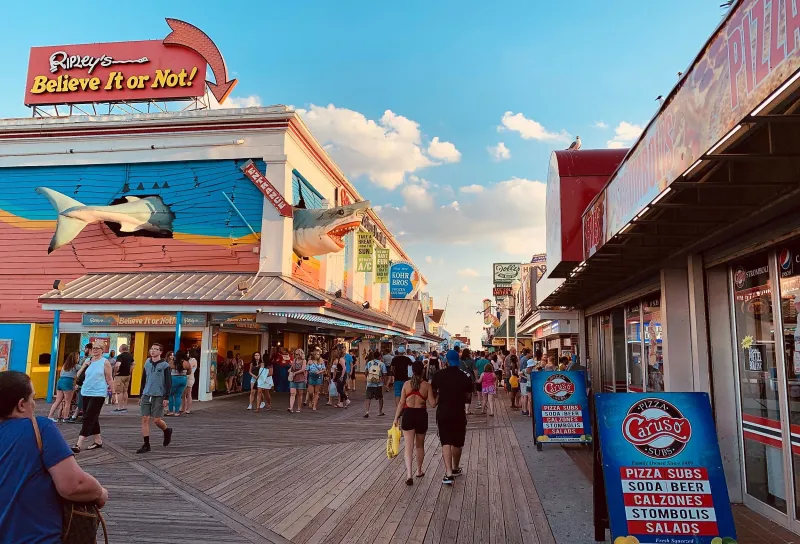
Photo: lively harbor boardwalk restaurants marina waterfront town, via www.worldatlas.com
Remember When Main Street Ran the Show?
There was a time when a town's whole social calendar happened along one brick-lined street. The hardware store owner knew your kids. The diner booth was where deals got done and gossip got started. Then the interstate came through, the big-box center opened out by the highway, and Main Street — in most American towns — became a charming memory with a few vacant storefronts.
But here's the thing nobody saw coming: the town square didn't die. It moved to the water.
Walk any healthy coastal community in America today — from Annapolis to Newport to the smaller harbor towns dotting the Gulf and Pacific coasts — and you'll find the action isn't on the traditional main drag. It's down at the harbor, where the boardwalk becomes the de facto plaza, the marina is the country club nobody had to join, and the fish-cleaning station next to the farmers market tent somehow makes perfect sense.
The Marina Is the New Country Club
The clearest sign of the shift is what marinas have become. Twenty years ago, a marina was a place you kept your boat and left. Today's harbor neighborhoods treat them as genuine social infrastructure: outdoor bars with a sunset-facing deck, live music on summer Fridays, paddleboard clubs at dawn, and regatta weekends that draw the whole town to the seawall.
The membership model matters here. A yacht club with a waiting list and a blazer requirement has a narrower door than a marina cafe where anyone can grab a stool. The harbor democratizes waterfront life in a way private clubs never did — and that inclusiveness is exactly what gives these neighborhoods their energy. The retiree who walks the promenade every morning and the young couple on their first center console are neighbors in a way golf-course communities rarely manage.
Where the Postcard Pays the Bills
Let's talk about the part buyers care about: what the harborfront effect does to property values.
The pattern repeats in town after town. When a community invests in its waterfront public realm — a boardwalk, a public pier, a market pavilion — the surrounding residential streets reprice within a few years. Real estate economists have a dry name for it (walkability and amenity premiums), but the mechanism is simple: the harbor becomes the reason people come, and proximity to the reason people come is the oldest value driver in real estate.
We've seen it in small Gulf Coast towns where a rebuilt fishing pier and a handful of dock-and-dine restaurants turned a sleepy shrimp harbor into a weekend destination — and doubled demand for cottages within a half-mile. We've seen it in New England mill-and-maritime towns where a restored waterfront promenade became the selling point for every listing in the neighborhood, even homes with no water view at all.
What a Real Harbor Neighborhood Looks Like
Not every waterfront is the real thing. Some are single developments with a decorative fountain and a chain restaurant, all moat, no town. If you're evaluating a harbor community as a place to live — not just a place to visit — here's what to look for:
- A working mix. The best harborfronts blend working boats with pleasure craft. Shrimp trawlers and sailboats side by side signal an economy, not a stage set.
- Public access. A boardwalk anyone can walk, benches that face the water, a pier you can fish off without buying anything. Public space is the backbone of a real town square.
- A market rhythm. Saturday farmers markets, seasonal festivals, a fish market that sells what the boats brought in that morning. Regular events mean a community, not just a destination.
- Local ownership. Count the chains. A harborfront owned by five local families will weather downturns and keep its character better than one owned by a national developer.
- Year-round life. Ask what happens in February. The strongest harbor neighborhoods have a shoulder-season pulse — a chowder cook-off, a holiday boat parade — rather than shutting down after Labor Day.
The Opinion Part: Buy the Square, Not Just the View
Here's where we'll plant our flag. A waterfront view is a commodity. A harborfront community is a rarity. The first you can find in a hundred towns; the second exists in maybe a few dozen places done well, and the gap between them is only widening.
If the harborfront has become the town square — and we believe it has — then the smartest coastal purchase isn't the biggest house with the longest dock. It's the modest home in walking distance of a harbor that's genuinely alive: the one where you can leave the car, walk to the market, run into everyone you know, and watch the boats come in while you decide what's for dinner.
That's the postcard life. The trick is finding the places where the postcard was actually taken.