Follow the Oyster Carts: Why Working Shellfish Flats Are the Best Housing Market Signal on the Coast
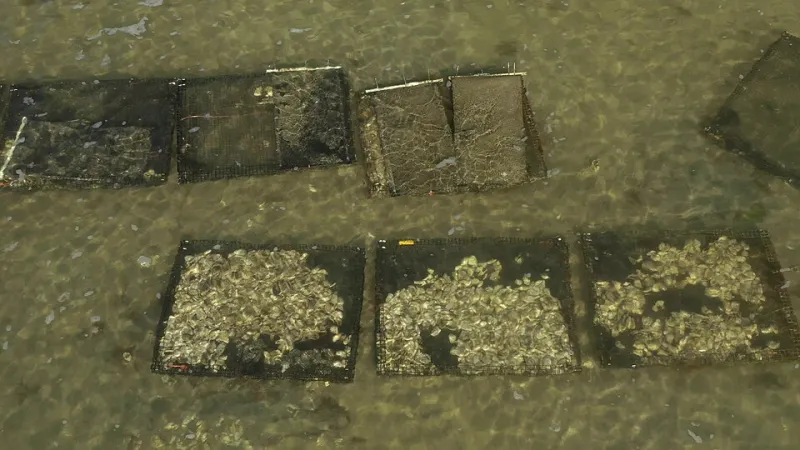
Photo: USDAgov, Public domain, via Wikimedia Commons
There's a moment that happens on harbor tours all along the American coast. A buyer steps onto a dock, takes in the sailboats and the shrimp shack and the postcard light, and asks the question every waterfront agent dreads: But what do people here actually do?
It's a fair question. Pretty harbors can be hollow. When the only industry is tourism, the town runs on a six-month battery, and the housing market runs on it too—roaring in June, ghostly in January. But there's one kind of working waterfront that's quietly become the strongest signal a coastal buyer can look for: shellfish.
Oyster farms, mussel leases, kelp lines. They're low-drama, year-round, and—here's the part that matters to your mortgage—they're growing.
Why Bivalves Beat Boardwalks
Tourism is a fair-weather tenant. Aquaculture is not. Oysters go in the water and come out of the water in every month that ends in -ber. Kelp grows through the winter. Mussel rafts need tending in the rain, the fog, and the off-season lull when the gift shops roll their gates.
That consistency changes everything upstream. Year-round paychecks support the hardware store, the diner, the school enrollment numbers, and the volunteer fire department. Towns with working flats don't shutter their Main Street after Columbus Day. And a town that functions in February is a town where your house has value in February.
There's also a cultural dividend. Aquaculture towns tend to keep their working-character—the fish houses, the chandlers, the coffee joint where watermen and telecommuters split the counter. That mix is exactly what coastal buyers say they're looking for when they describe wanting "authentic" harbor living. The oyster carts rolling down Main Street are the amenity.
Three Towns Where the Tide Is Turning
1. Damariscotta, Maine. The Damariscotta River produces some of the finest oysters on the Eastern Seaboard, and the farms behind them have turned a sleepy midcoast village into a small but genuine economic engine. Year-round restaurants built on local product, a stable shoulder-season trade, and housing demand that no longer collapses after Labor Day. It's proof that a shellfish economy can carry a town without turning it into a resort.
2. Quilcene, Washington. On Hood Canal, this small peninsula town sits amid some of the most productive shellfish ground in the country. As Puget Sound's bigger markets price out buyers, Quilcene and its neighbors are absorbing the spillover—with an aquaculture base that gives the area a floor under its values. It's the classic pattern: industry first, then the artists, then the remote workers, then the prices.
3. Apalachicola, Florida. The famous oyster bars of the Florida Panhandle built a legend on local harvests. The wild fishery has struggled badly in recent years, but the region is now the test case for whether farmed oysters can rebuild a working waterfront—and with it, a housing market that's historically traded on charm alone. Watch this one. If the leases come back strong, the window on the town's famously reasonable prices may not stay open.
How to Read a Harbor Economy Like an Appraiser
So you're standing on a dock in a town you love. How do you tell a shellfish boomtown from a pretty place that's slowly leaking jobs? A few field tests:
- Count the working boats, not the pleasure boats. A harbor that's 90% recreational in October is a playground. A harbor with workboats out in the cold months has a pulse.
- Look for the infrastructure. Upwelling nurseries, gear sheds, cold storage, a co-op or processing house. Shellfish economies leave physical fingerprints.
- Ask who's at the diner at 6 a.m. If it's only retirees and tourists, the economy is seasonal. If there are rubber boots under the counter stools, you've found the real thing.
- Check the state aquaculture lease maps. Most coastal states publish them—Maine, Washington, Virginia, and Florida all do. Growing lease acreage near a town is the single best leading indicator of a strengthening local economy.
- Notice who's moving in, not just who's moving out. Shellfish towns attract a particular kind of new resident: young, handy, water-oriented, and staying through winter. That demographic is gold for a housing market.
The Flip Side: What a Fading Harbor Looks Like
For balance, know the warning signs. A town whose fish houses are becoming vacation rentals, whose docks are empty by September, whose year-round businesses are being replaced by ice cream shops with seasonal hours—those are the harbors where value rests entirely on scenery. Scenery is wonderful, but it doesn't pay taxes in February, and it doesn't defend your home price when the broader market softens.
The bottom line for buyers: a working shellfish economy is a form of diversification for your investment. You're not just buying a view; you're buying proximity to an industry that can't be shipped overseas and can't be done from a laptop.
The Takeaway
The next time you tour a harbor town and see oyster cages stacked on a pier or kelp harvesters heading out at dawn, don't see it as clutter on your postcard. See it as a jobs report. The bivalves were there before you, they'll be there after you, and between those two dates, they're quietly holding up the value of every house in sight.
Buy where the water works for a living. The harbor that grows oysters grows equity.