Your First Twelve Months on the Water: A Season-by-Season Reality Check
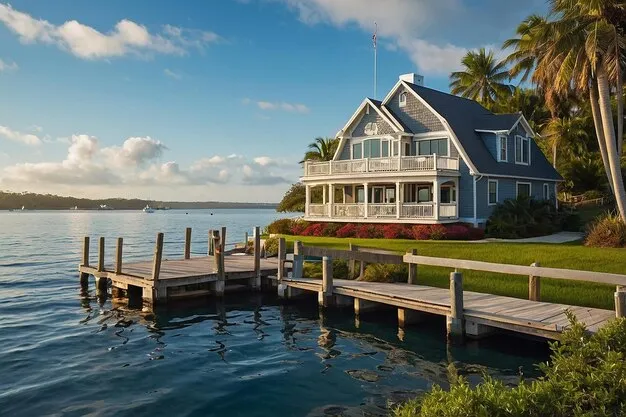
Photo: homeowner inspecting dock at coastal home autumn morning, via img.freepik.com
The closing is done. The boxes are unpacked. The harbor is glittering outside your window, and you're officially a waterfront homeowner. Now what?
Turns out, the coast runs on a calendar, and year one is when you learn it. Here's the honest timeline nobody hands you at closing.
Months 1–3: The Honeymoon and the Homework
Spring and early summer arrivals get the postcard version of coastal life first — and that's fine. Enjoy it. But use the calm to get organized:
- Learn your flood zone and evacuation route. Not from a website. Drive it.
- Meet the harbormaster. This person knows everything: tides, storms, which dock electrician actually returns calls.
- Find your contractors now, before everyone else needs them after a storm. Good coastal tradespeople book out months in advance.
Budget surprise: most new waterfront owners hit their first unexpected expense — a failing bulkhead tie, a sump pump on its last legs — within 90 days.
Months 4–6: Hurricane Season Is a Verb
June through November is Atlantic hurricane season, and in year one, you'll either prepare properly or learn why everyone else does.
Your checklist: shutter or board plan, fuel and generator check, insurance documents photographed and stored in the cloud, a go-bag, and a conversation with neighbors about who checks on whom. In harbor towns from the Outer Banks to the Gulf Coast, this is simply what fall feels like.
The upside? Storm season is also when coastal communities show up for each other. The group chat that organizes pre-storm sandbagging is the same one that organizes the post-storm potluck.
Months 7–9: The Off-Season Arrives
Around October, the crowds thin. Restaurants you couldn't get into in July suddenly have open tables. The marina quiets. Locals — your actual community now — reclaim the town.
This is the season that separates the tourists from the residents. It's also when maintenance happens:
- Winterize outdoor showers, irrigation, and any exposed plumbing
- Pull and store dock hoses; check mooring lines and cleats
- Schedule a roof and flashing inspection while contractors are available
- Service the heating system before the first nor'easter or cold snap
If you're a snowbird planning to leave, hire someone local to check the house. Frozen pipes don't care that you're in Florida.
Months 10–12: The Honest Audit
Winter is when the coast is at its moodiest — gray skies, biting wind, the sound of waves that's either soothing or relentless depending on the day. Use this stretch to ask the real questions:
- What did year one actually cost beyond the mortgage? Track it.
- Which maintenance tasks did you enjoy, and which did you dread?
- Did you make friends, or does the town empty out in ways that leave you lonely?
For most people, the answer is affirming: the rhythm of tides and seasons becomes the point, not a problem. The first year is tuition. After that, harbor living starts paying you back — in sunsets, in community, in the quiet pride of a dock line tied off just right.
If you're still shopping rather than unpacking, use this timeline as your test drive. Rent a coastal place through a full cycle of seasons before you buy. Year one will tell you everything you need to know.