Book the Venue Before the Mortgage: How Couples Are Test-Driving Harbor Towns First
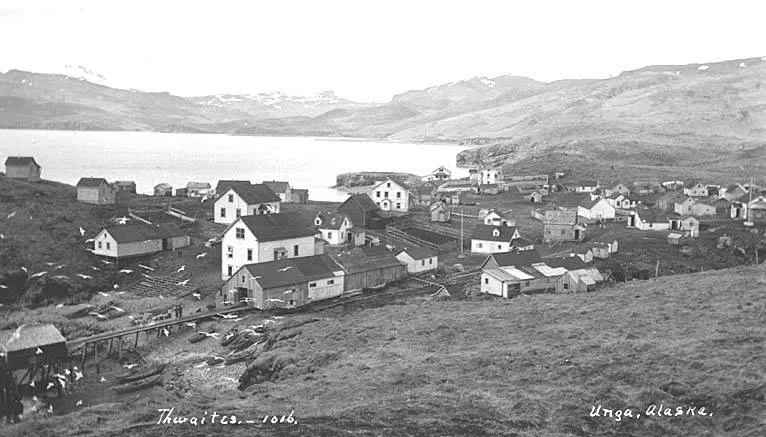
Photo: John E. Thwaites, Public domain, via Wikimedia Commons
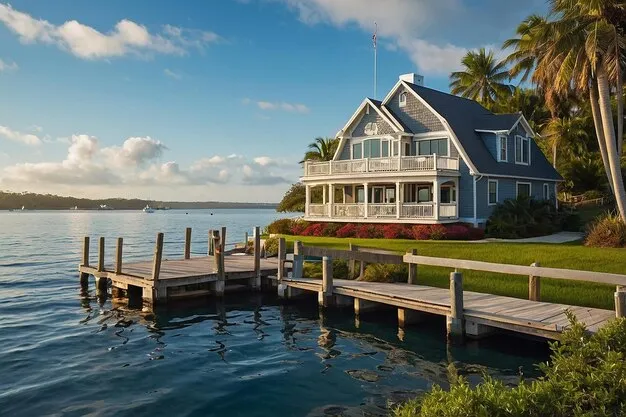
Ask a young couple where they plan to retire and you'll get a vague answer about 'somewhere near the water.' Ask them where they got engaged, and you'll get a harbor name, a specific dock, and the exact time of sunset.
That's not a coincidence. Across the country, couples in their late twenties and thirties are quietly flipping the traditional relocation script. Instead of finding a job, then a house, then a life, they're falling for a town first—often via a wedding weekend, an anniversary trip, or a friend's rehearsal dinner on a pier—and letting everything else follow.
We call it the harbor wedding test, and it might be the most honest market research in real estate.
The Venue Is the Vibe Check
Here's the logic: a coastal town that can host a great wedding usually checks every box that matters long-term. It means there's walkable waterfront, restaurants worth dressing up for, a marina or promenade where photos look good in any season, and—critically—a community that shows up. Weddings don't happen in ghost towns.
Towns like Mystic, Connecticut; Beaufort, North Carolina; and Port Townsend, Washington have figured this out. Their harbors double as event backdrops, which means thousands of out-of-towners get a curated two-day immersion in what daily life might feel like. Some of those guests come back with a realtor's number.
How to Run Your Own Test
If you and your partner are harbor-curious, don't start with listings. Start with a weekend that mimics real life:
Book a non-peak visit. Anyone can love a harbor town in July. Go in late October or a rainy March weekend. If the main street still feels alive and the coffee shop has regulars, that's a year-round community, not a stage set.
Eat where the locals eat. Skip the marina-view spot with the valet stand. Find the diner where the fishing crew has breakfast. The waitstaff will tell you more about the town than any chamber of commerce brochure.
Walk the waterfront at 8 a.m. You'll meet the dog-walkers, the rowers, the retired folks who actually live there. These are your future neighbors, and they're usually delighted to talk.
Attend something communal. A farmers market, a harbor festival, a concert on the green. If the same faces show up at multiple events, you've found a genuine community rather than a rotating cast of tourists.
Ask the wedding question directly. Call a local venue and ask what their calendar looks like year-round. A healthy events calendar means a town with the social infrastructure—and the staffing, and the restaurants—to sustain life beyond high season.
Why This Approach Actually Works
Traditional house-hunting optimizes for the wrong things early on: granite countertops, square footage, that one perfect screened porch. But couples who test the town first are evaluating the things you can't renovate—walkability, friendliness, whether the harbor feels like a living place or a postcard.
There's also a financial angle. Towns that win the wedding circuit tend to hold value. A place people choose for milestone weekends is a place with durable demand, a functioning restaurant economy, and pride of ownership. The waterfront bars with a wait on a Saturday in November are telling you something the comps won't.
The Towns Winning the Courtship
A few patterns emerge among harbors that convert visitors into residents:
- Beaufort, NC — Front-porch scale, a working waterfront, and a festival calendar that keeps the town warm all winter.
- Camden, Maine — The rare harbor that's equally magnetic in foliage season and mud season.
- Mystic, CT — Drawbridge lore, walkable everything, and a wedding industry that doubles as an ambassador program.
- Port Townsend, WA — Victorian main street, ferry access, and a community that treats its harbor as a daily habit, not a decoration.
Fall in Love, Then Verify
None of this means skip the spreadsheets. Flood zones, insurance costs, and resale fundamentals still matter—a lot, as we've covered before. But the order of operations matters too. Couples who love a town before they tour a house tend to make more patient, better-informed buyers. They're not chasing a property; they're joining a place.
So book the weekend. Walk the seawall at dawn. Crash a harbor festival. If the town passes the test, the right house has a way of showing up.
And if you get engaged on the way? Well, you'll already know where the venue is.