Trading the Big Backyard for a Big Backwater: Retirees Are Downsizing Straight to the Harbor
For decades, the American retirement script was written in fairway green. Sell the family house, move inland or to a gated community with manicured tee times, and settle in among neighbors who all moved for the same reason.
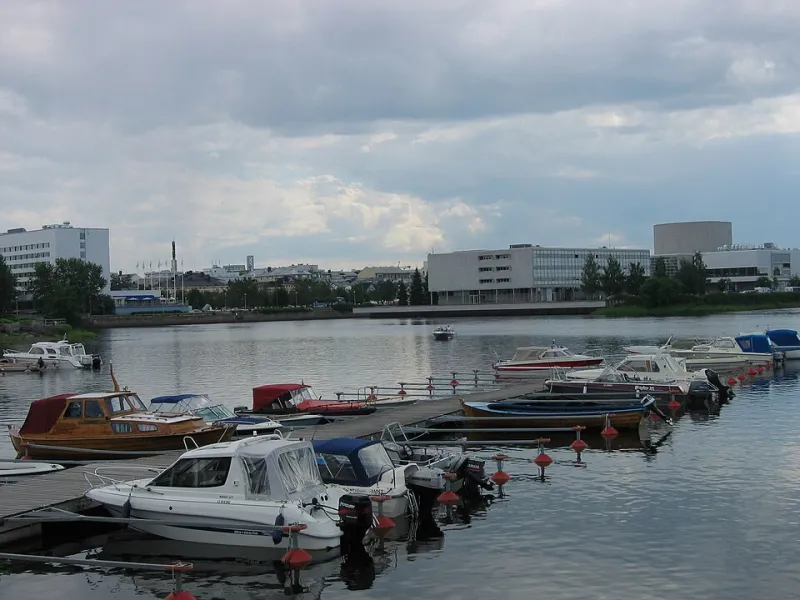
But a quieter shift is happening at the water's edge. Real estate agents in harbor towns from Mystic to Beaufort to Astoria report a growing stream of buyers in their early 60s who are selling 3,000-square-foot inland homes and buying something much smaller — right on the harbor. No golf membership required.
The Math That Surprises People
Here's the counterintuitive part: downsizing to the water is often cheaper than downsizing to a planned community.
A 1,400-square-foot, single-level cottage three blocks from a harbor in a town like Southport, North Carolina, or Port Townsend, Washington, frequently costs less than a comparable villa in a golf resort community in Scottsdale or Hilton Head — and it comes without the HOA and club dues that can run $800 or more a month.
Factor in what retirees stop paying for: a lawn service for a half-acre they never used, a second car for sprawling subdivisions, a gym membership (the kayak is the gym now). Many harbor-town transplants report their monthly carrying costs dropping even as their views improved dramatically.
Yes, waterfront insurance deserves its own line item. Smart buyers compare flood zones and wind coverage before falling for a listing — but a second-row condo or an elevated cottage often keeps those premiums manageable while keeping the harbor in view.
Single-Level Living, Marina Edition
The practical appeal goes beyond money. Harborfront condos and cottage communities are overwhelmingly single-level: no stairs, no gutters to clean, no roof shingles to replace. Maintenance is often handled by a marina association or condo board, which means a winter trip to see the grandkids doesn't come with a to-do list waiting at home.
Marina communities also function as de facto retirement villages with better scenery. Dock neighbors watch out for each other. There's a built-in social calendar — morning coffee at the bait shop, sunset gatherings on the pier, a loosely organized fleet of pontoon boats that shows up at every waterfront concert.
Three Who Made the Move
The accountants from Columbus. After 34 years in a five-bedroom colonial, Diane and Mark Kowalski sold in nine days and bought a two-bedroom condo overlooking a working harbor in Bayfield, Wisconsin. "We thought we'd miss the space," Diane says. "We've never once said the condo is too small. We've said the lake is too big to explore in one summer."
The teacher in Maine. After retiring from 30 years in the classroom, Ray Demarco left a 1970s ranch in Manchester, New Hampshire, for a 900-square-foot cottage on a tidal harbor near Damariscotta. His reasoning: "Everything I do now is walkable — the fish market, the hardware store, the diner. In my old neighborhood, I drove to a mailbox."
The widow who downsized twice. Carol Nunez first moved to a retirement community in central Florida, then found it "quiet in the wrong way." She sold again and landed in a harborfront co-op in Fernandina Beach. "There, the amenity was a clubhouse. Here, the amenity is the whole town."
The Checklist Nobody Mentions
Retirees considering the move should look past the view and ask:
- Healthcare proximity. Is there a hospital within 30 minutes? Harbor towns with year-round populations almost always have one; resort-only towns sometimes don't.
- Winter access. How does the town function in the off-season? The best candidates have permanent residents, not just seasonal ones.
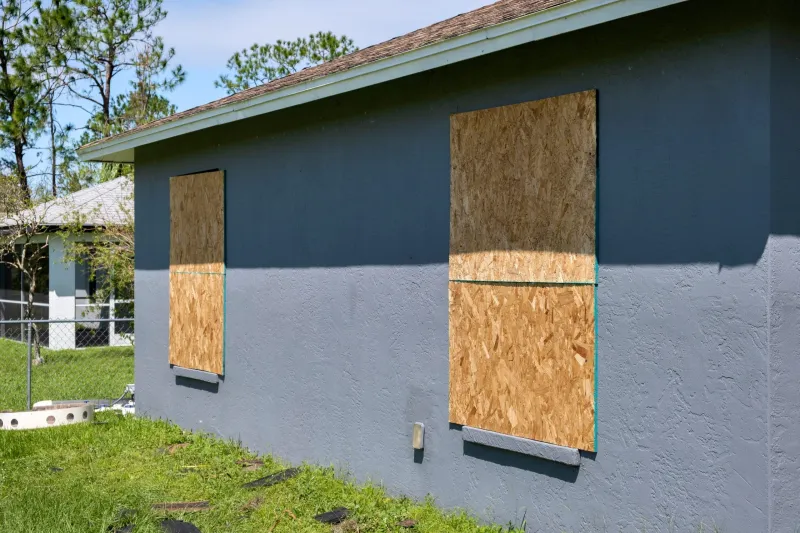
- Hurricane and storm exposure. Ask about elevation certificates and building codes — newer construction in flood zones is built tougher.
- **Single-level verification." "Main-level master" can hide a flight of stairs to the front door. Tour in person.
The Lighthouse Logic
There's a reason lighthouse keepers lived small and close to the water: proximity to the harbor is a full life condensed into a walkable radius. Retirees trading the big backyard for a big backwater aren't giving something up. They're finally moving toward it.
If you're within five years of retirement and the golf-course brochure feels a little beige, it might be time to tour a harbor town instead. Bring a camera. Leave the lawn mower.