Watch, Prep, Hold: A T-72 Countdown for Protecting Your Waterfront Home
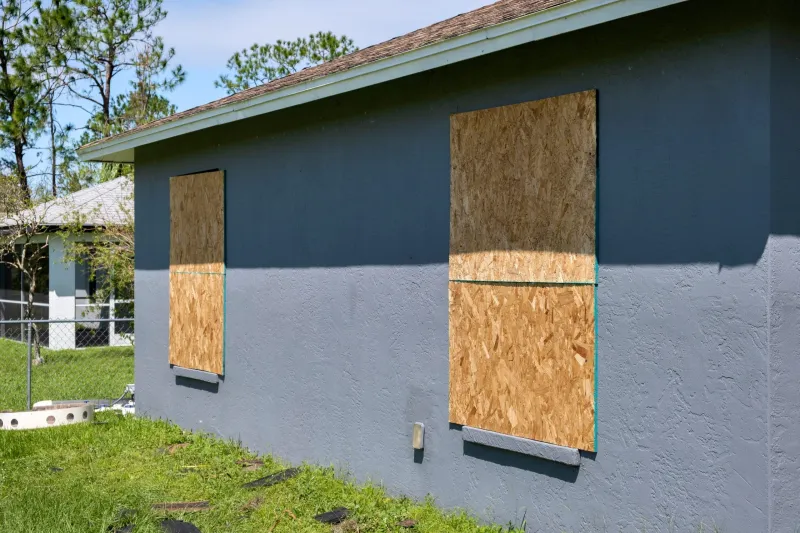
Photo: homeowner boarding up windows hurricane preparation waterfront house, via pinellas.gov
Ask anyone who's ridden out a named storm on the water and they'll tell you the same thing: hurricanes don't reward improvisation. The homeowners who come back to dry floors and intact seawalls aren't lucky — they're working a checklist that started days before the rain did.
We talked with longtime harbor residents from the Chesapeake to the Gulf Coast to map out exactly how the countdown should unfold. Consider this your T-minus playbook.
T-72 Hours: Work the List, Not the Worry
The moment a storm becomes a realistic threat, resist the urge to stare at spaghetti models. Three days out, your job is paperwork and big moves.
Document everything. Walk every room with your phone and shoot video — closets included. Open drawers, pantries, the garage. Photograph the dock, the boat lift, the boathouse, and any outdoor furniture from multiple angles. Insurance adjusters will thank you, and so will your future self.
Pull the paperwork. Flood insurance policy, homeowner's policy, deed, elevation certificate, boat registration. Scan or photograph all of it and store copies in the cloud plus a waterproof bag. If you're evacuating, that bag rides with you.
Handle the big-ticket items. This is the window to schedule a haul-out with your marina if your boat is staying in the area, order storm shutters or plywood if you don't have them on hand, and refill prescriptions. Fuel the cars. Charge anything with a battery.
One veteran of six Gulf storms put it bluntly: "At 72 hours, everyone's calm. That's exactly why you do the boring stuff now."
T-24 Hours: The Property Becomes the Priority
With landfall less than a day away, the focus shifts from documents to the physical structures that take the beating.
Strip the dock. Everything removable comes off — cushions, dock boxes, grills, kayaks, paddleboards, fishing gear. Anything light enough to become a projectile in a 90-mph gust needs to go inside or get lashed down hard. Loose items are how docks get shredded and how your cooler ends up in your neighbor's yard.
Drop the lifts. Raise boat lifts as high as they'll go, disconnect power to the lift and any dock lighting, and shut off electricity to the dock at the shore-side breaker if flooding is possible. Water and live circuits are a dangerous combination during surge.
Secure the house itself. Board or shutter windows and glass doors. Move outdoor furniture, planters, and propane tanks indoors or into the garage. If your home is elevated on pilings — common in harbor communities from the Carolinas to the Florida Keys — check that under-house storage is secured and nothing is staged below the living space.
Water and sandbags. Position sandbags at garage doors and entry points prone to surge intrusion. If you're on municipal water and sewer, know how to shut off your supply. If you have a well, fill bathtubs and containers for flushing and cleaning.
T-1 Hour: Hunker Down and Let It Happen
The final hour isn't for finishing projects — it's for safety and small final touches.
- Bring everyone and every pet indoors, well away from windows
- Set the refrigerator and freezer to their coldest settings
- Fill the bathtub with water for sanitation
- Charge phones one last time and switch flashlights to where you can find them in the dark
- Take one final walk-through video of the interior, exterior, and dock — the last documentation before the weather arrives
Then stop. No more trips to the dock, no last-second furniture rescues once winds start building. Storm surge and wind-driven debris are the leading causes of hurricane injuries, and nothing on a dock is worth a life.
After the Cone Clears
The playbook doesn't end at landfall. Wait for the official all-clear before stepping outside — downed lines and weakened structures are the hidden hazards of the morning after. Photograph any damage before you touch it, make temporary repairs to prevent further loss, and keep every receipt; many policies reimburse reasonable mitigation costs.
Then do what harbor communities do best: check on the neighbors. On the waterfront, the person whose dock survived intact is usually the one who helped the folks next door haul their boat out at 72 hours. Storm season rewards the whole street, not just the whole house.
Keep this timeline printed and posted in the pantry. When the next cone appears on the map, you won't need to think — you'll just need to start the clock.