The 15-Minute Harbor: What Your Daily Radius Looks Like When Your Driveway Is a Dock
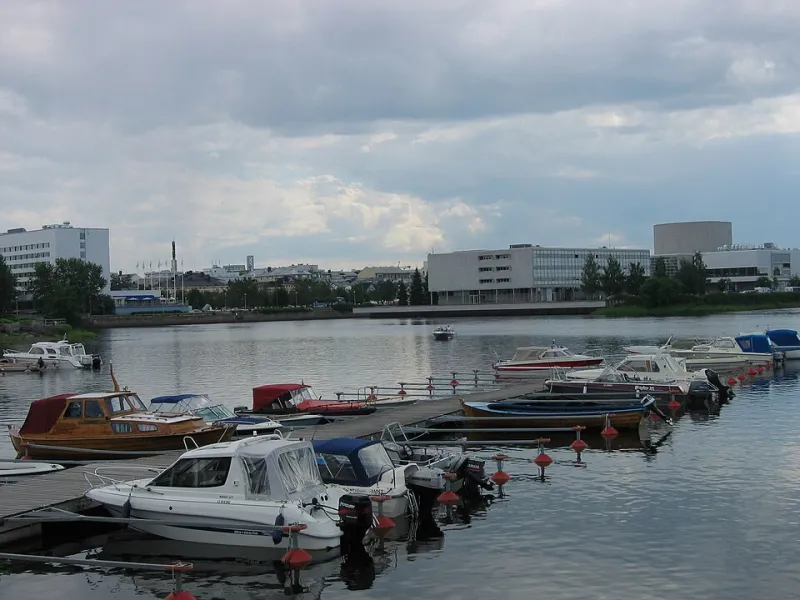
Photo: SeppVei, Public domain, via Wikimedia Commons
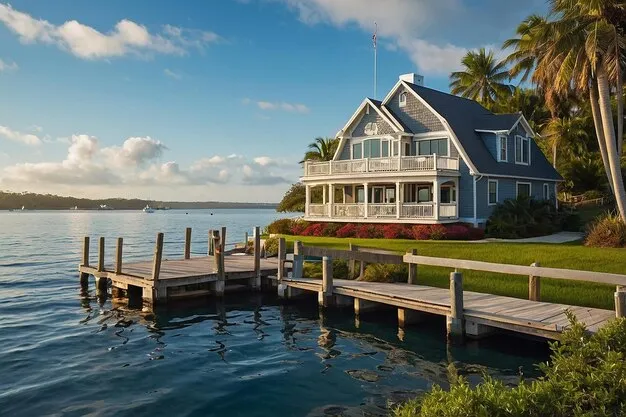
Ask a waterfront homeowner for directions and you'll often get an answer in minutes — boat minutes. The hardware store is ten minutes across the harbor. The gym, maybe fifteen if you idle past the mooring field. Happy hour? Right around the point, weather permitting.
We've started calling this the 15-minute harbor: a daily radius measured not by highway exits but by fuel burn, wake rules, and how much daylight you've got left. It's a real lifestyle shift, and in towns like Annapolis, Southwest Harbor, Gig Harbor, and St. Augustine, it's how a growing number of residents actually live.
Redrawing the Map
Most of us think of a commute as a corridor — one road, one route, one radio station. On the water, your route is a lattice. There's the direct line across the harbor when conditions are calm, the longer shoreline route when chop picks up, and the trailer option when it all falls apart.
In Annapolis, it's not unusual for a boater living off Weems Creek to run the dinghy to City Dock for a coffee and a hardware run, then swing by Ego Alley on the way home. In Gig Harbor, Washington, paddlers and small-craft owners routinely treat the harbor itself as the neighborhood — breakfast at a waterfront café, a stop at the fuel dock, a sunset loop before dinner.
The errands shrink in scale but multiply in charm. Groceries become two insulated bags instead of a cart. The post office box sits a short walk from the marina. Dry cleaning, honestly, waits for the car day.
What the Radius Actually Contains
Talk to enough dock-commuters and a pattern emerges. The things that fit comfortably inside a 15-minute boat radius:
- Fuel and service. The fuel dock is the gas station, the hardware store, and the town gossip exchange all in one.
- Food and drink. Waterfront restaurants with transient docks turn dinner out into a genuine outing — tie up, eat, untie.
- Fitness. Rowing clubs, yacht club gyms, and paddle launches replace the treadmill.
- Work, sometimes. Remote workers in harbor towns increasingly book marina-adjacent coworking space or simply take calls from the cockpit.
- School runs, occasionally. In some waterlogged communities — think the outer banks of North Carolina or parts of the Chesapeake — kids still grow up riding the boat to a friend's dock the way suburban kids ride bikes.
What doesn't fit: big-box runs, dentist appointments, and anything with a hard deadline and no flexibility. That's the honest trade. Most harbor households keep a car. The boat isn't the only vehicle — it's the one that makes the rest of life worth it.
When the Tide Table Wins
Here's the part the brochures leave out: the water sets your schedule, not the other way around.
A 15-minute boat ride becomes a 40-minute one when a 15-knot southwest wind stacks up against an outgoing tide. Low water can turn a shortcut creek into a mud flat. Fog on a coastal harbor can make even a confident skipper reach for the radar — or the car keys.
Every experienced harbor commuter has a hierarchy of alternatives: the dinghy for good days, the bicycle for shoulder days, the car for the rest. The dream isn't never driving. It's choosing the water when the water cooperates — and knowing the difference before you commit.
That's why serious boat-commuters become amateur meteorologists. They check wind forecasts the way city dwellers check traffic apps. They know which bridges have clearance restrictions, which channels shoal after storms, and which dockside restaurants take transient slips on a first-come basis.
Choosing a Town That Works at Boat Speed
If this lifestyle appeals to you, the property search changes shape. You're not just evaluating the house — you're evaluating the harbor's daily usability.
Look for:
- Walkable waterfronts. Towns where the marina, main street, and restaurants sit within a few hundred feet of each other — Southwest Harbor, Maine, and downtown St. Augustine are textbook examples.
- Transient and public docks. If you can't tie up somewhere, your boat radius is zero.
- All-tide access. Ask locals about low-water depths on the route you'd actually run daily.
- A real off-water backup. Good harbor towns still have functioning roads and a grocery store within a ten-minute drive.
The best version of this life isn't a stunt commute. It's a town built at harbor scale, where the water is the shortest path between the places you already go. When that geometry lines up, fifteen minutes by boat can feel closer than fifteen minutes by car ever did — and the view, at least, is guaranteed to be better.
Before you buy, rent a skiff for a week in the town you're considering. Run your hypothetical errands. Miss the tide once or twice. If you come back grinning anyway, you've found your harbor.