The Water Is the Third Spouse: How Harbor Living Really Tests a Marriage
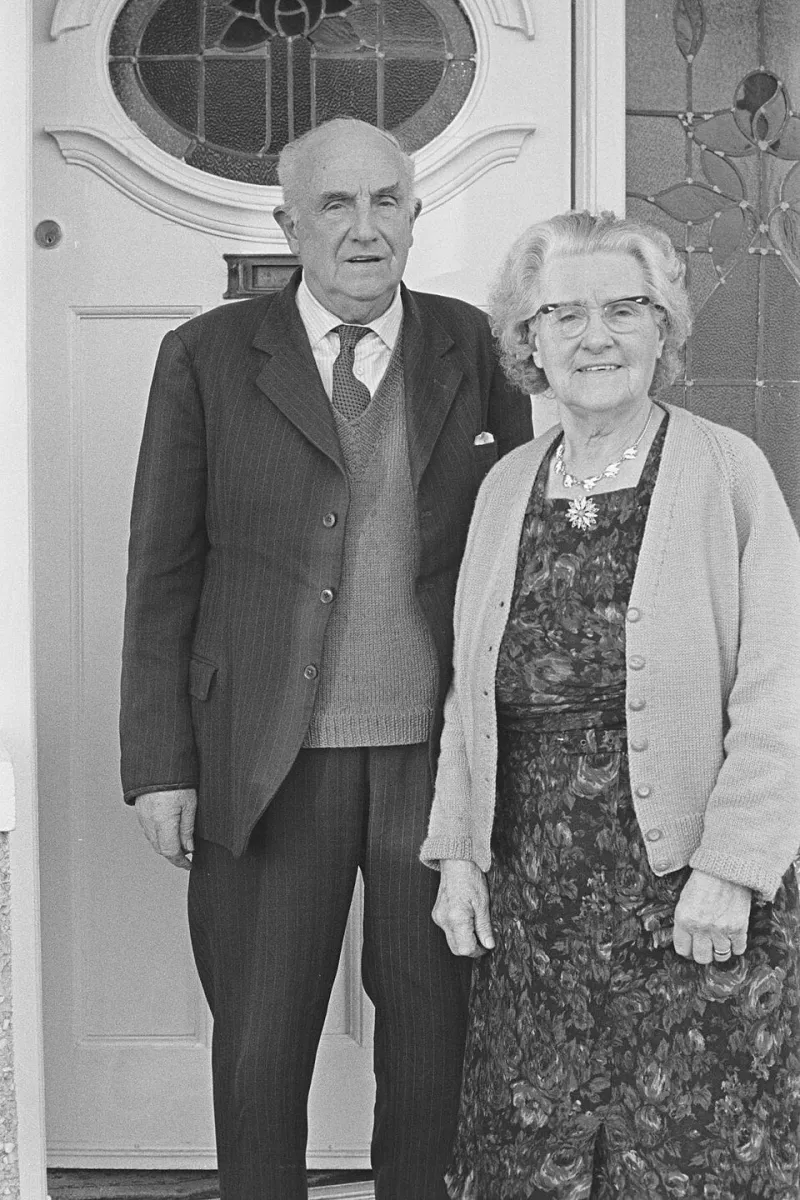
Photo: Geoff Charles, CC BY-SA 4.0, via Wikimedia Commons
Every marriage has a third party in it. For most couples it's the mortgage, the in-laws, or the dog. For harbor-town couples, it's the water — and unlike a dog, the water has opinions about your schedule, your budget, and your Saturday morning.
We spent a few weeks talking with couples up and down America's working coastlines — from Chesapeake coves to Pacific Northwest marina communities — about what actually changes between two people when the boathouse replaces the garage. The answers were messier, funnier, and more affectionate than we expected.
The Budget Conversation Nobody Warns You About
Ask any harbor couple about their first real fight after moving to the water, and most will point to the same culprit: the boat budget. Not the purchase — that's a one-time decision you can brace for. It's the everything after that catches couples off guard.
"I thought we were buying a boat," one Annapolis wife told us, laughing. "Turns out we were adopting a very expensive pet that eats fuel, bottom paint, and every spare Saturday in April."
Financial advisors who work with waterfront buyers say the pattern is common. The slip fee, the insurance, the winterization, the mysterious annual haul-out — these recurring costs show up on one side of the ledger and feel like a lifestyle to one spouse and a leak to the other. Couples who thrive, we heard over and over, are the ones who treat the water as a line item they discuss out loud, not a hobby that quietly raids the checking account.
Some couples we spoke to set a hard annual "water number" — a cap on all marine-related spending. Others split it philosophically: one partner funds the boat, the other funds the shore house upgrades, and neither touches the other's bucket. There's no right answer, but there is a wrong one: silence.
Dock Duties: The Chore Chart You Never Wrote
Inland couples divide the dishes and the lawn. Harbor couples divide a whole second category of labor that most people don't even know exists.
Somebody flushes the engine. Somebody hoses the deck. Somebody remembers that the kayak fleet needs to come off the rack before the nor'easter, and somebody is the reason the kayak fleet didn't come off the rack before the nor'easter. Resentment, we learned, rarely comes from doing the work — it comes from being the only one who notices the work.
The couples who've found their footing tend to divide by temperament rather than by fairness-of-minutes. One partner preps the boat; the other handles the dock social calendar and the never-ending negotiation with the harbormaster. "I don't touch the outboard, he doesn't touch the neighbor dispute," a retired couple in Boothbay Harbor told us. "Thirty-one years, one boat, zero murders."
When the Fleet Multiplies
Here's a friction point nobody warns you about: watercraft reproduce. You buy one kayak. Then a second kayak "so we can go together." Then a paddleboard, because the neighbor's paddleboard looked fun. Then a dinghy, because the dinghy was a good deal, and honey, it was a good deal.
Before long, the boathouse that felt so romantic at the open house is a Tetris game of hulls, and every new purchase requires a spousal summit. Couples who've survived the fleet expansion recommend a simple rule: nothing new gets bought until something old goes. It's the maritime version of the one-in-one-out closet rule, and it works just as well on the water.
The Bonding Nobody Puts in the Brochure
For all the friction, the couples we interviewed were overwhelmingly glad they'd made the move — and most said the water made their marriage better, not just busier.
There's something about shared stewardship that builds intimacy. You can't coast on autopilot when the tide chart decides your weekend. You have to talk, plan, and occasionally bail water together — literally. Several couples described their best conversations happening on the water, phone-free, engine humming, nowhere to be.
"We argued more in our first harbor year than in our previous five," one Gulf Coast husband admitted. "But we also laugh more. The water keeps us honest with each other. You can't hide behind the TV when the boat's waiting."
Is Harbor Living Right for Your Relationship?
A few honest questions worth asking each other before you sign on that waterfront cottage:
- Who's the water person, really? If only one of you is drawn to the lifestyle, name it now. The other spouse will need real hobbies and real joy — not just tolerance.
- What's our water number? Agree on an annual spending cap for boats, gear, and maintenance before the first purchase, not after.
- Who notices what? Divide the invisible labor — winterizing, weather-watching, dock maintenance — explicitly, in writing if you have to.
- What's the exit clause for the fleet? Decide together when a kayak or a skiff stops earning its space.
The truth is, the water doesn't break marriages. Unspoken expectations do. Harbor living just surfaces them faster — sometimes at six knots, in full view of the neighbors.
The couples who last are the ones who learn what every old salt already knows: you don't control the water. You just learn to read it, respect it, and show up for it together. Turns out that's not bad marriage advice, either.