Skip the Beachfront Lot: Why the View From Floor Three Beats the View From the Dune

Photo: Andre Carrotflower, CC BY-SA 4.0, via Wikimedia Commons
There's a moment that happens at every waterfront open house. The buyers walk in, glance at the water, and then someone mentions the price per foot. The dream deflates a little. The dune-front single family, the one with the private boardwalk and the yard that runs to the sea, has become a trophy asset in most American coastal markets—and trophy assets come with trophy price tags.
But there's another way to get on the water, and it doesn't involve outbidding three hedge funds for a shrinking lot. It involves looking up.
The Vertical Shift Is Already Happening
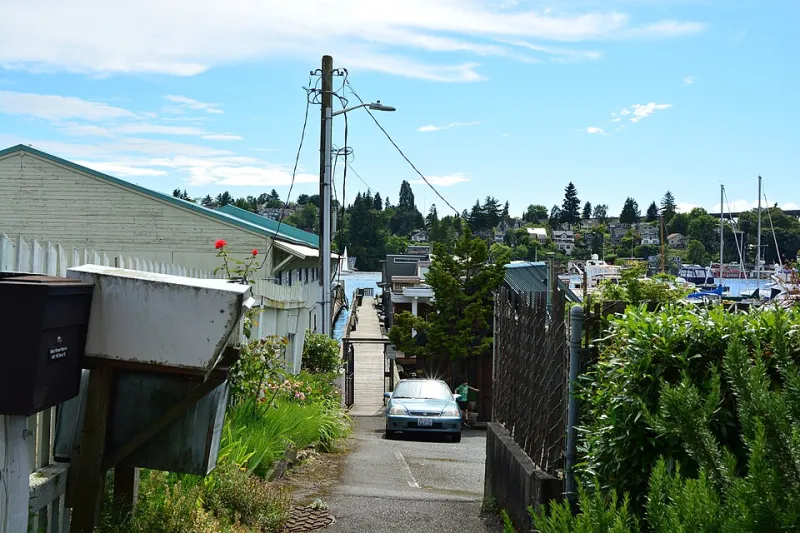
In harbor towns from Annapolis to Astoria, the action has moved to elevated condos, stilted new construction, and live-aboard marina units. These aren't consolation prizes. In many cases, they're the smarter buy—cheaper to purchase, cheaper to insure, and often blessed with a better view than the ground-level house down the street.
Consider the math in three very different markets.
Charleston, South Carolina. A modest single-family home on the peninsula or in Mount Pleasant with legitimate water views routinely clears $1.5 million. Meanwhile, a harbor-view condo a few blocks inland—still within sight of the Arthur Ravenel Bridge—can be found in the $600,000 to $800,000 range. Same water, same sunset, half the price. Factor in lower insurance on an elevated concrete structure and the gap widens.
Annapolis, Maryland. The waterfront single-family market here is essentially closed to first-time buyers. But marina-adjacent condominiums and live-aboard-friendly units near Spa Creek and Back Creek offer the same morning ritual—coffee on a balcony, sailboats sliding past—for a fraction of the entry price. Some marinas even allow deeded slip ownership bundled with the unit.
Anacortes, Washington. In the San Juan Islands gateway, stilted construction on Fidalgo Island's harbor side delivers Puget Sound views with the house itself elevated above the flood line. That elevation isn't just aesthetic—it's the difference between a manageable flood insurance premium and a budget-breaking one.
Insurance: Where Vertical Really Pays
Ask any coastal homeowner what keeps them up at night and the answer isn't hurricanes. It's the premium notice.
Flood insurance rates are driven largely by elevation relative to base flood elevation (BFE). A house with its finished floor a few feet above the dune might sit barely at BFE. A third-floor condo unit, or a stilted home built several feet above it, can qualify for dramatically lower rates—sometimes 50% or more in savings annually.
Elevated structures also tend to fare better in wind events, which keeps wind and hail carriers happier. In states like Florida, Louisiana, and the Carolinas, where wind coverage can rival the mortgage payment itself, that difference compounds fast.
The View You Didn't Expect
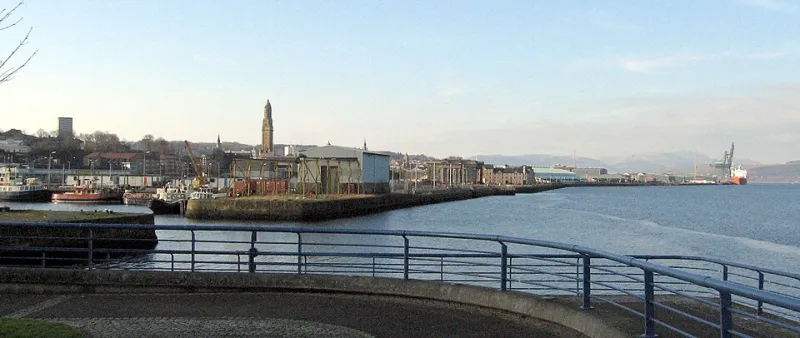
Here's the part that surprises buyers most: the view is often better from above. A ground-level beach house looks out at a wall of dune grass and, if you're lucky, a sliver of ocean over the neighbor's roofline. A third-floor unit looks over all of it—harbor traffic, the channel markers blinking at dusk, the whole working waterfront laid out below.
Waterfront doesn't have to mean ground-level. It means proximity, access, and sightlines. Vertical living delivers all three.
Rental Income Without the Ground-Floor Headache
If short-term rental income is part of your plan, elevation helps there too. Elevated condos in walkable harbor districts consistently outperform isolated beach houses on occupancy because guests want to walk to dinner, not drive. Marina-adjacent units attract boaters and regatta crowds year-round, smoothing out the seasonal dip that plagues pure beach markets.
And maintenance is simpler. No seawall to inspect. No dune crossover to rebuild after a storm. The HOA handles the roof, the pilings, the paint.
What to Watch For
Vertical isn't automatically a win. Before you sign:
- Scrutinize the HOA or marina financials. A waterfront condo association with deferred seawall or piling maintenance is a liability, not an asset.
- Confirm rental rules. Some harbor associations cap short-term rentals or require minimum lease terms.
- Check the elevation certificate anyway. Not all 'elevated' buildings are built equal. Get the actual number relative to BFE.
- Ask about live-aboard policies if a boat is part of the plan—marina rules vary wildly.
The Bottom Line
The single-family beach house isn't going anywhere, and for those who can afford it, it remains a magnificent way to live. But for a growing share of coastal buyers, the smartest move on the water is the one with stairs. Less money in, less insurance risk, more view. That's not a compromise. That's the trade of the decade—still quietly available in harbor towns up and down the map.