November Through March Is When Your Harbor Home Actually Earns Its Keep
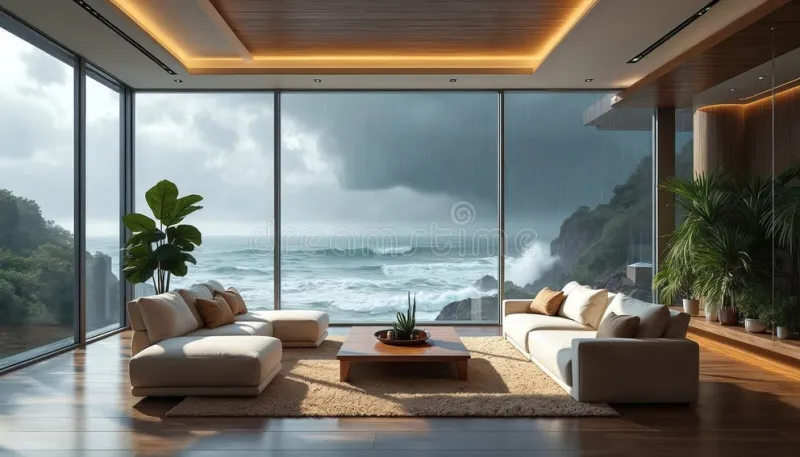
Photo: cozy waterfront house living room window winter storm harbor view, via thumbs.dreamstime.com
There's a moment every harbor town knows well. It happens sometime in late October, right after the last pumpkin festival and right before the first nor'easter. The rental signs come down. The seasonal ice cream shop goes dark. And the year-round residents — the ones who actually bought those waterfront homes — breathe a collective sigh of relief.
If you've only ever toured coastal properties in June, you're missing half the story. Maybe the better half.
Storm-Watching Is the New Fireplace
Ask anyone who lives on the water year-round what they love about winter, and they won't say the beach. They'll describe their living room window.
There's something primal about watching a front roll across the harbor from inside a warm house — whitecaps stacking up against the seawall, gulls tacking sideways through the gusts, the foghorn keeping its patient rhythm. In summer, the water is a destination. In winter, it's theater.
This is also, not coincidentally, why waterfront homes are designed the way they are. Big windows, deep sills, covered porches — a lot of that architecture exists because the off-season view is the payoff. If you're house-hunting in a warm month, do yourself a favor and imagine that great room in January. If it doesn't hold up, keep looking.
The Harbor Belongs to You Now
Summer at the marina means waiting for a fuel dock and eavesdropping on someone else's radio chatter. Winter? The docks empty out, the regulars remain, and the pace drops to something most people forgot existed.
There are practical perks, too. Many marinas offer off-peak slip rates or winter storage packages that cost a fraction of high-season fees. Restaurants with harbor views suddenly have open tables. The boat launch doesn't have a line. If your town runs a holiday boat parade — and plenty of American harbor towns do, from Annapolis to Newport to a hundred small Chesapeake and Pacific Northwest coves in between — you'll have the best seat in the house, no reservation required.
And the quiet isn't empty. Winter harbors hum with a different life: oystermen working their leases, lobster boats running shorter days, the year-round crew at the yacht club trading stories over chowder. This is the community you're actually buying into. The summer crowds are just visitors to it.
Cozy Is a Skill. Learn It.
Here's the honest part: winter waterfront living takes some intention. The homes that shine from November through March share a few traits.
Heat smart, not just hard. Salt air is brutal on HVAC equipment, so annual servicing isn't optional — it's cheap insurance. If you're buying, ask about the heating system's age and whether the home has zones, so you're not heating that beautiful glass-walled room nobody uses in February. Heat pumps have come a long way in cold climates, and many coastal states offer rebates that soften the upgrade cost.
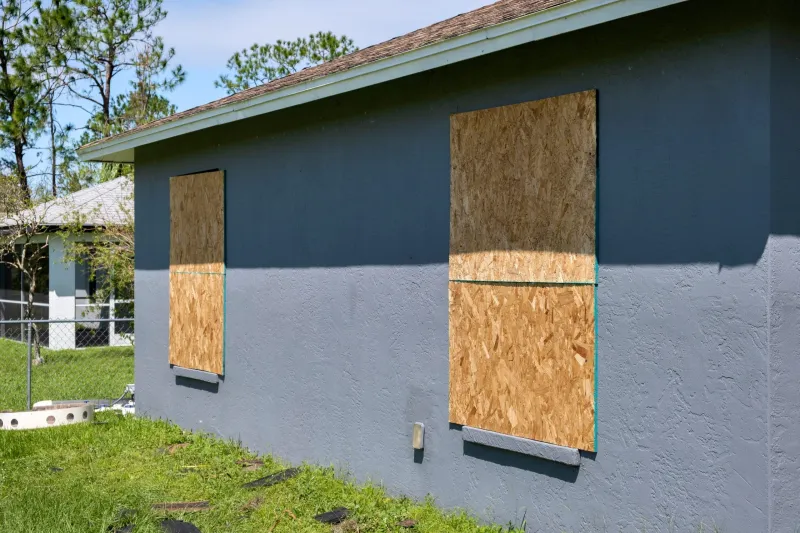
Weatherize like you mean it. Storm windows, door sweeps, and attic insulation matter more at the edge of the water, where wind-driven rain finds every gap. A pre-winter walk-around — checking caulk, clearing gutters, securing loose dock hardware — is a weekend ritual worth building.
Plan for the power to blink. Coastal outages happen. A whole-home generator or even a well-chosen portable unit turns a nuisance into a non-event. So does a stockpile of the basics: batteries, shelf-stable food, and yes, the ingredients for chowder.
Build Your Winter Traditions
The buyers who thrive on the waterfront in the cold months treat the season as a feature, not a sentence. A few traditions worth stealing:
- Friday chowder night. Whether it's homemade or takeout from the dockside spot that stays open year-round, make it a standing date.
- The storm watch. Keep a kettle, a deck of cards, and a good view. Some of the best evenings on the water happen when you can't go outside.
- Off-season exploring. Winter is when you finally walk the beach trails, visit the maritime museum, and meet the neighbors who aren't renting.
- The January boat project. Every winterized boat is a to-do list in disguise. Knock it out early and spring you will thank you.
A Buying Case Hiding in the Cold
One more thing for the hesitant: winter is when the truth comes out on a property. Visit in February and you'll see how the home handles weather, how the neighborhood functions without tourists, and whether the harbor still feels like home when it's gray. Sellers listing in the off-season are often motivated, and competition thins out with the crowds.
Summer sells the dream. Winter tells you whether you can live it. The harbor doesn't close for the season — it just saves its best seat for the people who stayed.
If you're weighing a waterfront purchase and cold-weather livability is your sticking point, don't guess. Visit in the quiet months, talk to the year-round residents, and see for yourself why the off-season might be the best thing you ever bought.