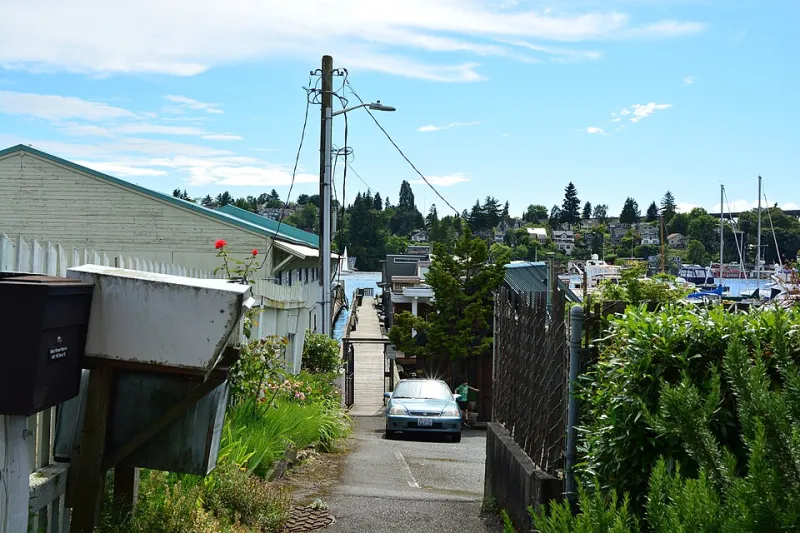
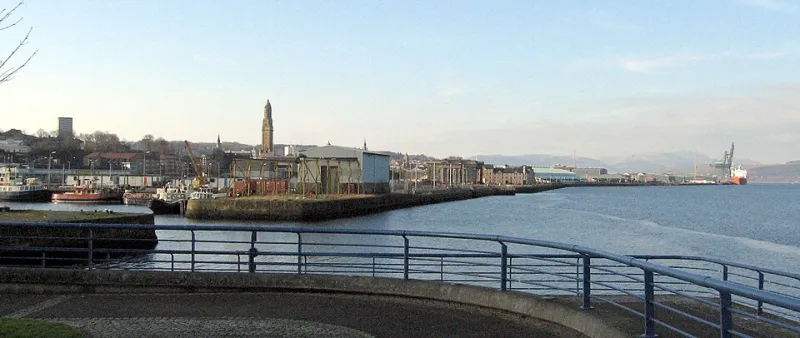
One Block From the Water, Miles Ahead on the Budget: The Case for Second-Row Coastal Homes

Photo: Hayes, C.W., No restrictions, via Wikimedia Commons
There's a moment that happens at almost every waterfront open house. A buyer stands on the deck, takes in the harbor, and starts doing mental math. Then the agent mentions the flood insurance premium, and the math falls apart.
Here's the contrarian take we keep coming back to at The Harbor's Edge: the second-row home — the one a street or two back from the water — delivers roughly 80% of the coastal lifestyle for dramatically less money, less risk, and less weekend maintenance. And in today's market, that math is getting harder to ignore.
What the Water Premium Actually Buys You
Let's be honest about what front-row costs. In many American harbor towns, an unobstructed water view adds a 40% to 100% premium over a comparable home just inland. In places like Annapolis, Maryland, and Charleston's surrounding communities, that gap can easily stretch past $400,000 for similar square footage.
Then comes the carrying cost. True waterfront property typically means:
- NFIP or private flood insurance premiums that can run $3,000–$10,000+ annually in high-risk zones
- Seawall, bulkhead, or dock maintenance that averages thousands per year
- Higher wind and hurricane deductibles baked into homeowners coverage
- Faster depreciation of exterior materials thanks to salt, spray, and sun
A second-row home often sits outside the highest-risk flood zone or in a milder one, which alone can swing annual insurance costs by thousands of dollars.
Three Towns, Two Rows, One Comparison
Consider three markets we've watched closely:
Rockport, Texas. Waterfront cottages on the harbor regularly list north of $700,000. Comparable homes two streets back — still a five-minute golf cart ride to the boat ramp — list in the $400s. Historical appreciation in the second-row pockets has actually outpaced the waterfront in some years, precisely because the entry price attracts more buyers.
Mystic, Connecticut. The homes hugging the river command a steep premium, but the neighborhoods just up the hill offer harbor glimpses, walkability to downtown, and insurance bills that don't induce nausea. Resale demand there is strong because the buyer pool is deeper.
Newport, Oregon. Bayfront properties face the full brunt of Pacific storms. A few blocks inland, buyers get the same sea-breeze, the same sea lions barking at dawn, and homes that cost hundreds of thousands less to insure and maintain.
The Lifestyle You're Not Losing
The biggest fear second-row buyers have is regret: will I miss the view?
Some do. But most coastal towns are built around shared access. Public beaches, marina walkways, harborfront restaurants, and boat launches mean the water is a short walk away, not a private asset you're paying to guard. You still hear the gulls. You still smell the salt. You still watch the fog roll in with your morning coffee.
What you give up is the private dock (though many harbors offer leased slips for far less than ownership upkeep) and the panoramic postcard view. What you keep is the town, the rhythm, and the equity.
When Waterfront Is Worth It
We're not saying never buy front-row. If you're running a charter business, keeping a serious boat, or planning to make the home a full-time rental with premium views, the waterfront math can work. But for buyers whose dream is coastal living — not dock ownership — the second row deserves a long, hard look.
The view from the street behind the water isn't the postcard view. It's the one you can actually afford to enjoy.